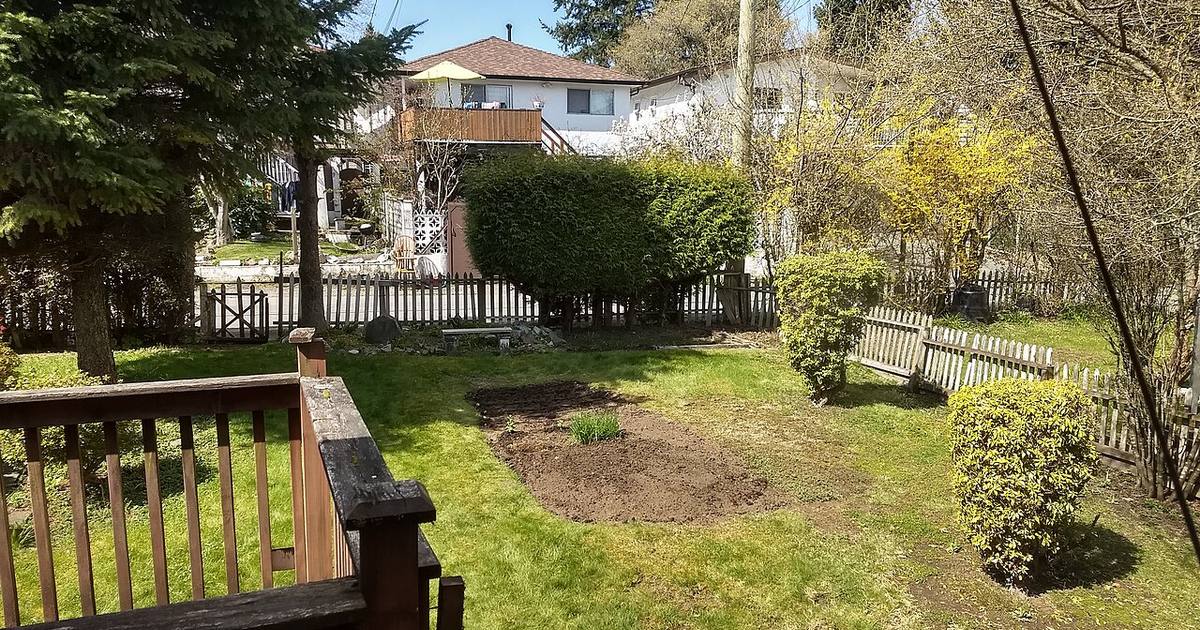
Growing your own vegetables is one of the most rewarding home projects you can take on. It doesn't require a farm's worth of land or years of experience — just a sunny spot, a bit of planning, and consistent care. Starting small and building confidence season by season is the surest path to a garden that actually produces.
Most vegetables need at least six hours of direct sunlight a day, so observe your yard before deciding where to dig. Soil quality matters just as much as sunlight, since healthy roots depend on nutrients, drainage, and structure.
New gardeners often get discouraged by choosing finicky plants first. Building early wins with forgiving vegetables keeps motivation high while you learn the basics of watering, spacing, and pest control.
Consistency matters more than intensity when it comes to garden care. Deep, infrequent watering encourages stronger root systems than frequent shallow watering, and mulching around plants helps retain moisture while suppressing weeds.
Check plants every few days for signs of pests or disease, catching problems early before they spread. A simple watering schedule, a bit of weeding each week, and occasional feeding with compost or fertilizer will carry most vegetable gardens through the season. As your confidence grows, you can experiment with succession planting, companion planting, and a wider variety of crops, but the fundamentals of sun, soil, water, and attention remain the same no matter how large your garden becomes.

How to Choose Bedding and Linens for Guest Rooms A guest room doesn't get used every...
Read More
Essential Hardware and Fasteners for Home Repairs Fasteners are the unglamorous heroes...
Read More
The Basics of Container Gardening for Small Spaces You don't need a backyard to grow...
Read More
Setting Up a Home Office That Works for You A well-designed home office can...
Read More