
Setting Up a Home Office That Works for You

Setting Up a Home Office That Works for You

Setting Up a Home Office That Works for You

Setting Up a Home Office That Works for You

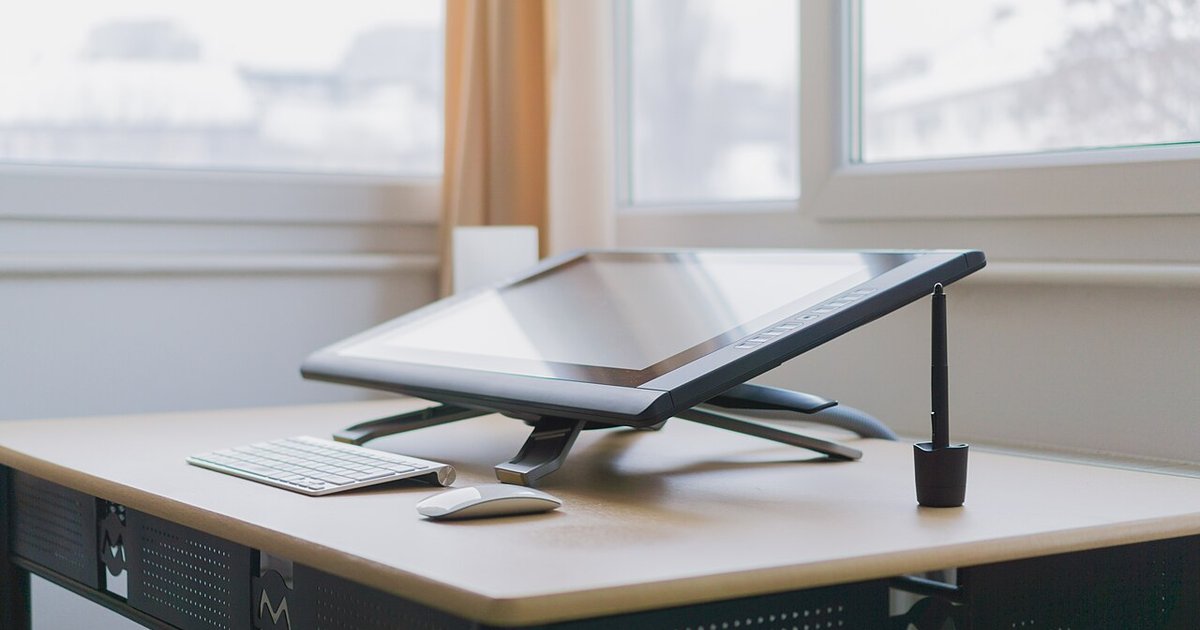
A well-designed home office can meaningfully improve both productivity and comfort, whether it occupies a dedicated room or just a corner of a shared space. The details that matter most aren't always the most expensive ones — thoughtful placement, ergonomics, and organization often make a bigger difference than an elaborate setup.

Choose the Right Location and Layout

Where you place your workspace affects focus, comfort, and how easily you can separate work from the rest of home life, especially important for anyone working remotely full-time.

  • Natural light: Positioning a desk near a window improves mood and reduces eye strain compared to relying solely on artificial light.
  • Minimize distractions: Choosing a quieter area, away from high-traffic zones, supports better focus during work hours.
  • Define boundaries: Even a small screen or rug can visually separate a work corner from the rest of a shared room.
  • Consider noise: Placement away from household noise sources, like a kitchen or living room television, helps during calls.

Prioritize Ergonomics and Comfort

Spending hours at a desk without proper ergonomic support can lead to real physical strain over time, making this an area worth investing in even on a modest budget.

  • Supportive chair: Look for adjustable height and lumbar support rather than prioritizing style alone.
  • Monitor height: The top of the screen should sit roughly at eye level to avoid neck strain.
  • Keyboard and mouse position: Elbows should rest at roughly a 90-degree angle to reduce wrist and shoulder strain.
  • Standing option: A sit-stand desk or converter allows movement throughout the day, which many find improves focus and comfort.

Keep the Space Organized and Personal

A cluttered desk makes it harder to focus and find what you need, while a completely sterile space can feel uninspiring over long workdays. Finding a balance between function and personality keeps a home office both practical and pleasant.

Simple organizational tools like cable management clips, a desktop organizer, and closed storage for paperwork keep surfaces clear without requiring constant tidying. Adding a plant, artwork, or a few personal items makes the space feel less clinical, while good task lighting, in addition to any natural light, reduces eye strain during evening work sessions. Small, consistent habits, like clearing the desk at the end of each day, keep a home office functional well beyond the initial setup.
Most Popular

How to Choose Bedding and Linens for Guest Rooms

How to Choose Bedding and Linens for Guest Rooms A guest room doesn't get used every...

Read More

Essential Hardware and Fasteners for Home Repairs

Essential Hardware and Fasteners for Home Repairs Fasteners are the unglamorous heroes...

Read More

The Basics of Container Gardening for Small Spaces

The Basics of Container Gardening for Small Spaces You don't need a backyard to grow...

Read More
Setting Up a Home Office That Works for You

Setting Up a Home Office That Works for You A well-designed home office can...

Read More


More Categories

Home & Living

Small-Space Living: 15 Organization Hacks for Tiny Apartments

Read More
Flooring

How to Choose the Right Flooring for Every Room in Your Home

Read More
Garden Tools

A Beginner's Guide to Starting a Backyard Vegetable Garden

Read More
Hardware & Parts

The Essential Toolkit: Hardware Every Homeowner Should Own

Read More
Bedding

Choosing the Perfect Bedding for Better Sleep

Read More
Commercial Property

Investing in Commercial Property: A Beginner's Overview

Read More