
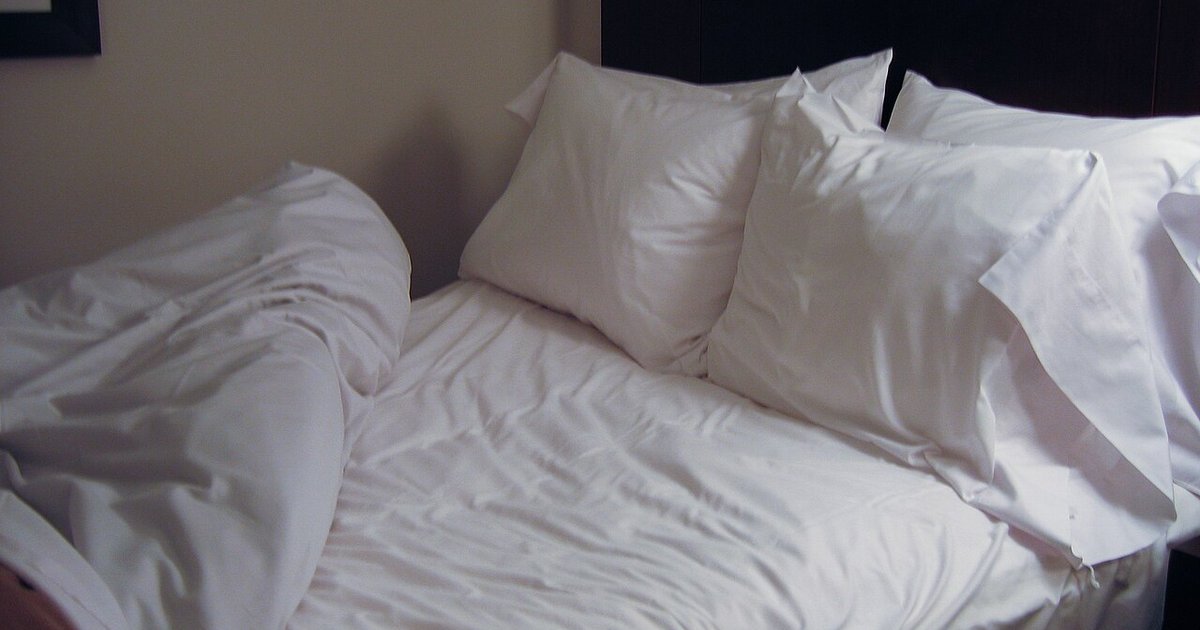
Choosing the Perfect Bedding for Better Sleep

Choosing the Perfect Bedding for Better Sleep

Choosing the Perfect Bedding for Better Sleep

Choosing the Perfect Bedding for Better Sleep

Bedding plays a bigger role in sleep quality than most people realize. Temperature regulation, fabric feel, and even how a bed looks and feels when you climb into it at night can all affect how well you rest. Taking a little time to choose the right materials for your body and climate is a simple upgrade with an outsized payoff.

Pick the Right Sheet Material

Sheets touch your skin all night, so material matters enormously for comfort. The right choice depends on your climate, budget, and personal preference for crispness versus softness.

  • Cotton: Breathable, durable, and widely available in a range of thread counts and weaves.
  • Linen: Naturally cooling and moisture-wicking, ideal for warmer climates or hot sleepers.
  • Microfiber: Affordable and soft, though less breathable than natural fibers.
  • Bamboo: Silky texture with good moisture management, a popular choice for sensitive skin.

Match Your Comforter and Pillows to Your Needs

Beyond sheets, the layers you sleep under and rest your head on shape overall comfort just as much. A mismatch here, like a comforter too warm for your climate or a pillow that doesn't support your neck, can undermine even the best sheets.

  • Fill weight: Choose lighter fills for warm sleepers and heavier down or down-alternative fills for those who run cold.
  • Pillow firmness: Side sleepers generally need firmer, thicker pillows, while stomach sleepers benefit from softer, flatter ones.
  • Hypoallergenic options: Down-alternative and synthetic fills are a good choice for allergy-prone sleepers.
  • Layering: A lighter comforter paired with an extra blanket offers more flexibility than one heavy option year-round.

Care for Bedding to Extend Its Life

Even the best bedding wears out faster without proper care. Washing sheets weekly in appropriate water temperatures, following fabric-specific instructions, and rotating between two or more sets extends their lifespan considerably. Comforters and pillows typically need less frequent washing but should be aired out regularly and replaced every couple of years as support and loft diminish.

When shopping, prioritize how bedding actually feels over marketing claims about thread count, since a very high thread count doesn't always mean better quality. Reading material composition labels carefully and, where possible, feeling fabric samples in person will lead to choices that hold up and feel good night after night.

Most Popular

How to Choose Bedding and Linens for Guest Rooms

How to Choose Bedding and Linens for Guest Rooms A guest room doesn't get used every...

Read More

Essential Hardware and Fasteners for Home Repairs

Essential Hardware and Fasteners for Home Repairs Fasteners are the unglamorous heroes...

Read More

The Basics of Container Gardening for Small Spaces

The Basics of Container Gardening for Small Spaces You don't need a backyard to grow...

Read More

Setting Up a Home Office That Works for You

Setting Up a Home Office That Works for You A well-designed home office can...

Read More


More Categories

Home & Living

Small-Space Living: 15 Organization Hacks for Tiny Apartments

Read More
Flooring

How to Choose the Right Flooring for Every Room in Your Home

Read More
Garden Tools

A Beginner's Guide to Starting a Backyard Vegetable Garden

Read More
Hardware & Parts

The Essential Toolkit: Hardware Every Homeowner Should Own

Read More
Bedding

Choosing the Perfect Bedding for Better Sleep

Read More
Commercial Property

Investing in Commercial Property: A Beginner's Overview

Read More