Energy-Efficient Homes: Simple Upgrades That Save Money

Energy-Efficient Homes: Simple Upgrades That Save Money

Energy-Efficient Homes: Simple Upgrades That Save Money

Energy-Efficient Homes: Simple Upgrades That Save Money

Making a home more energy-efficient doesn't require a full renovation or a huge upfront investment. Many of the most effective upgrades are simple, affordable, and pay for themselves within a year or two through lower utility bills. Starting with the basics often delivers the best return before considering bigger investments.

Seal and Insulate First

Before investing in new appliances or systems, addressing how well a home retains heated or cooled air typically offers the biggest and cheapest efficiency gains.

  • Weatherstripping: Sealing gaps around doors and windows prevents drafts and costs very little to install.
  • Attic insulation: A well-insulated attic prevents significant heat loss in winter and heat gain in summer.
  • Caulking: Sealing small cracks around pipes, vents, and window frames closes off hidden air leaks.
  • Window treatments: Heavy curtains or cellular shades add an extra layer of insulation at the window.

Upgrade Appliances and Lighting Strategically

Once the building envelope is sealed, focusing on the appliances and fixtures that run most often yields the next biggest savings.

  • LED lighting: Uses a fraction of the energy of incandescent bulbs and lasts significantly longer.
  • Smart thermostats: Automatically adjust temperature based on schedule and occupancy, cutting heating and cooling costs.
  • Energy Star appliances: Refrigerators, washers, and dishwashers with this certification use notably less energy and water.
  • Low-flow fixtures: Reduce hot water usage in showers and faucets without noticeably affecting performance.

Think Longer-Term for Bigger Gains

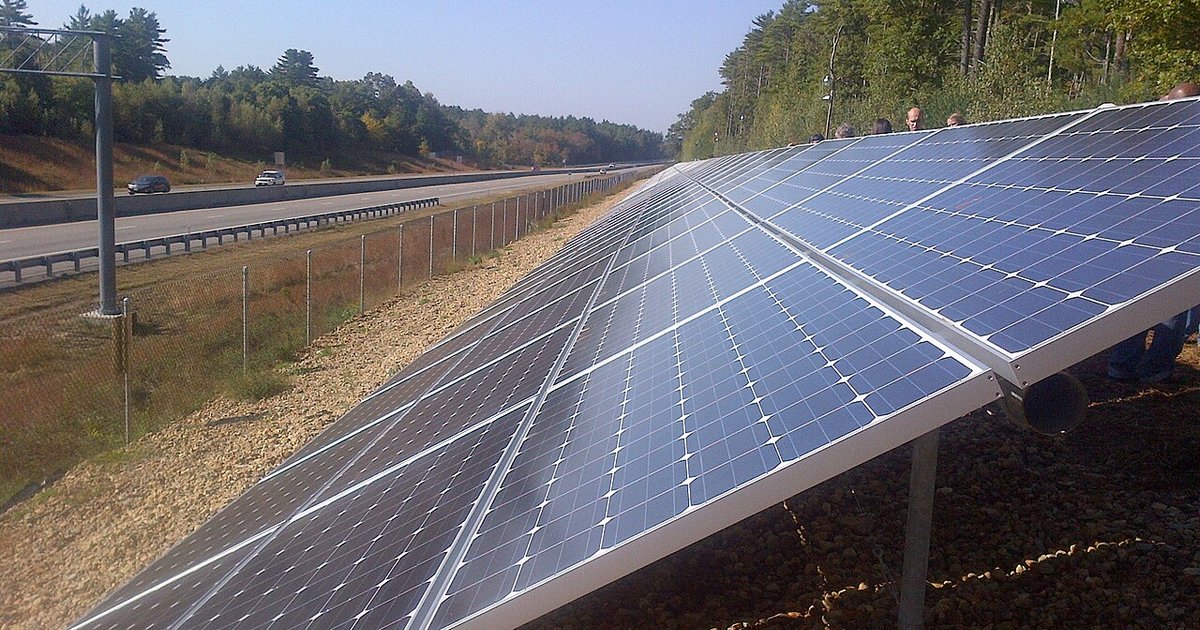
For homeowners ready to invest further, larger upgrades can meaningfully reduce long-term energy costs, though they come with higher upfront costs and longer payback periods. Upgrading an aging HVAC system to a high-efficiency model, adding solar panels, or replacing single-pane windows with double- or triple-pane options are all worth researching, especially where local rebates or tax incentives offset part of the cost.

A useful first step for any homeowner is a home energy audit, which many utility companies offer at low or no cost. An audit identifies exactly where a home is losing energy and which upgrades will have the greatest impact, allowing you to prioritize spending based on actual data rather than guesswork. Combining small, immediate fixes with a longer-term upgrade plan is the most cost-effective way to steadily lower a home's energy footprint.
Most Popular

How to Choose Bedding and Linens for Guest Rooms

How to Choose Bedding and Linens for Guest Rooms A guest room doesn't get used every...

Read More

Essential Hardware and Fasteners for Home Repairs

Essential Hardware and Fasteners for Home Repairs Fasteners are the unglamorous heroes...

Read More

The Basics of Container Gardening for Small Spaces

The Basics of Container Gardening for Small Spaces You don't need a backyard to grow...

Read More

Setting Up a Home Office That Works for You

Setting Up a Home Office That Works for You A well-designed home office can...

Read More

More Categories

Home & Living

Small-Space Living: 15 Organization Hacks for Tiny Apartments

Read More
Flooring

How to Choose the Right Flooring for Every Room in Your Home

Read More
Garden Tools

A Beginner's Guide to Starting a Backyard Vegetable Garden

Read More
Hardware & Parts

The Essential Toolkit: Hardware Every Homeowner Should Own

Read More
Bedding

Choosing the Perfect Bedding for Better Sleep

Read More
Commercial Property

Investing in Commercial Property: A Beginner's Overview

Read More